Mastering Dissertation Proposals: Insider Tips to Excel
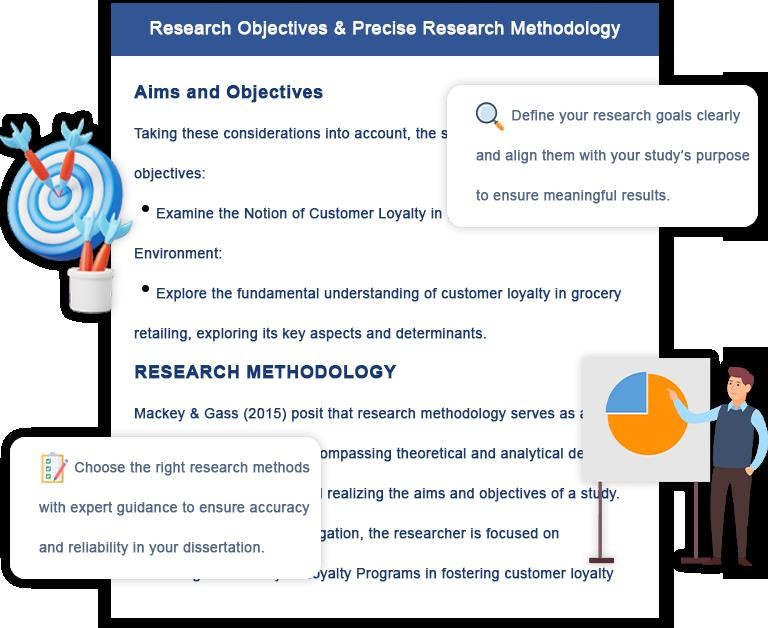
I'm an experienced academic writer specializing in crafting high-impact research papers, dissertations, and theses. My expertise lies in transforming complex ideas into clear, concise, and compelling narratives that resonate with your target audience. Let me help you achieve your academic goals.
I remember the first time I sat down to craft my dissertation proposal; the blank page felt intimidating, almost mocking me. I wondered, where do I even begin? Over the years, I've navigated countless proposals and discovered key strategies that make this daunting task manageable and even rewarding.
Creating a strong dissertation proposal requires not just knowledge, but a clear, strategic approach. Here's what I learned from my own experience and what has consistently helped others achieve success.
Understanding the Core Components
Every dissertation proposal must communicate a few critical elements clearly:
Research Problem: Identify the gap your research addresses. Be specific and avoid vague statements.
Literature Review: Show familiarity with relevant sources, highlighting trends and controversies.
Methodology: Explain how you'll conduct the research. Be precise about data collection and analysis methods.
Significance: Justify why your research matters and its potential contribution.
Common Mistakes I’ve Observed
Many proposals fail due to avoidable errors. Here are the most frequent issues I’ve encountered:
Overly broad research questions.
Lack of alignment between objectives and methods.
Neglecting a clear timeline or feasibility discussion.
When I started addressing these points early, the quality of proposals improved dramatically.
Step-by-Step Guide to Crafting Your Proposal
Start with a compelling introduction that hooks the reader.
Map out the literature carefully, emphasizing gaps and debates.
Detail your methodology with confidence and clarity.
Highlight the contribution of your work to the field.
Include a realistic timeline and any ethical considerations.
Comparing Different Approaches
| Approach | Strengths | Weaknesses |
| Traditional Academic Proposal | Highly structured, clear expectations | Can feel rigid and limiting |
| Consultancy-Based Proposal | Practical, real-world applicability | May lack theoretical depth |
| Hybrid Approach | Balanced academic rigor and applied insights | Requires careful planning |
Choosing the right approach depends on your field, advisor preferences, and personal strengths. In my experience, a hybrid model often yields the most impressive results.
Practical Tips and Resources
One resource I’ve found invaluable is a premier writing solution that provides structured guidance for proposals. ✅ Boost your dissertation proposal with expert guidance here.
By integrating such resources with personal effort, you can avoid common pitfalls and significantly enhance your proposal’s quality.
Final Thoughts from My Experience
Dissertation proposals are a test of planning, clarity, and persistence. By applying structured strategies, learning from mistakes, and using reliable guidance, you can transform a daunting challenge into a manageable and even enjoyable process.
Disclaimer: This is based on personal experience and observations. Individual results may vary, and using additional professional guidance is recommended for best outcomes.


